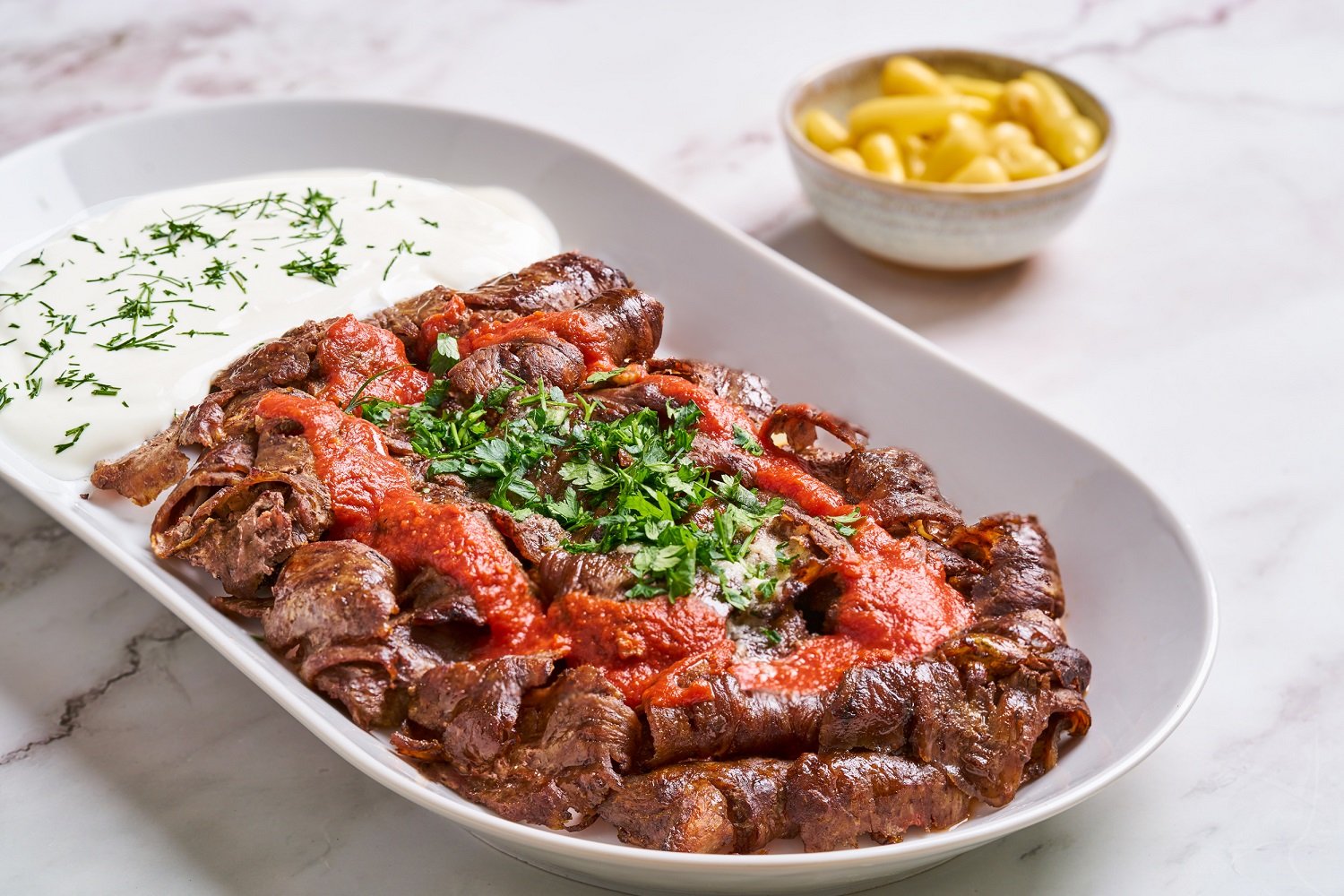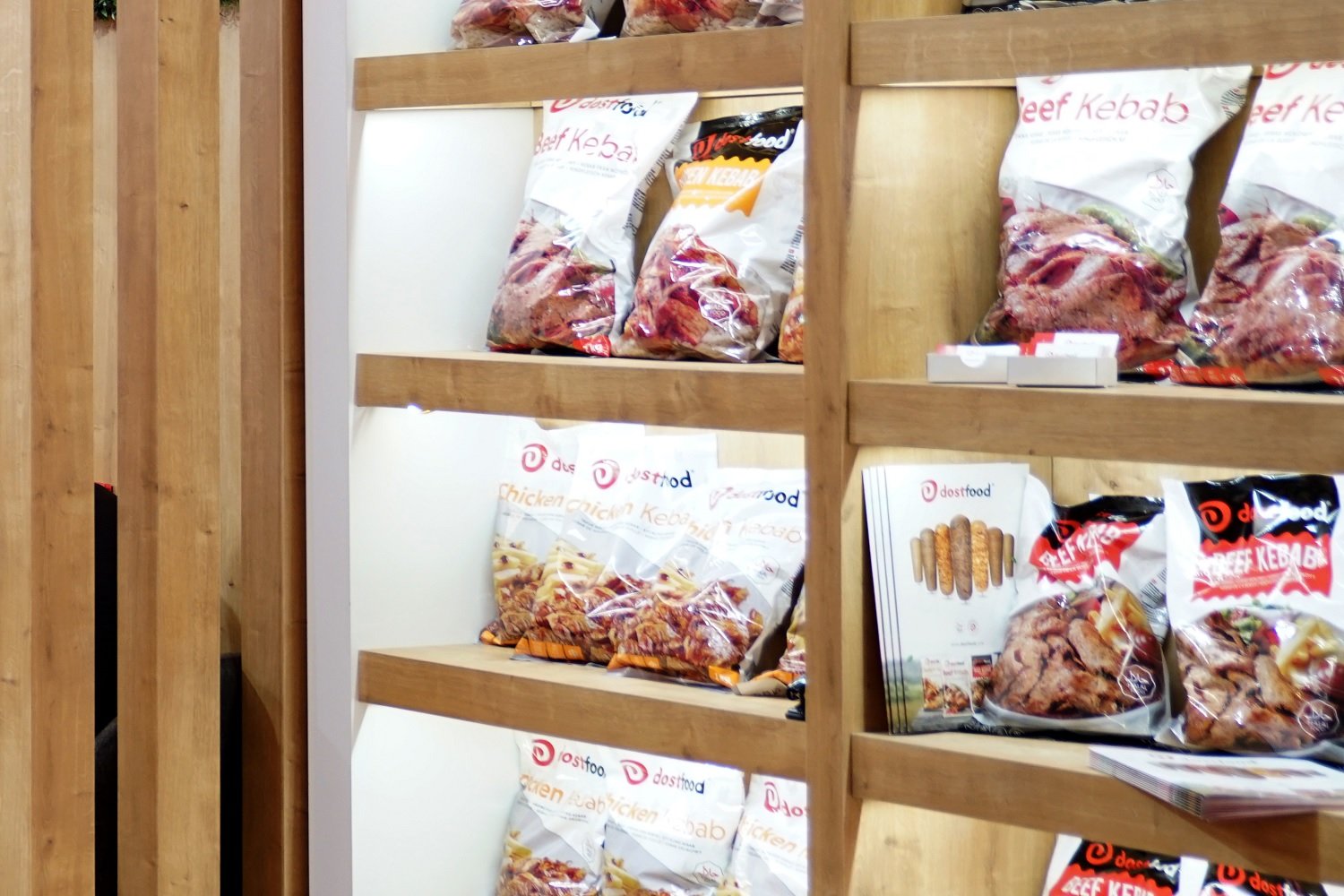




To keep doner meat juicy and full of flavour, proper storage, slicing and serving are essential. Doner businesses know that doner meat is a delicate, multi-layered product that must be handled with great care at every stage — from delivery to refrigeration, thawing and finally the grill.
Those who control cooling, storage, thawing, skewer preparation, grill heat and cutting technique ensure maximum freshness and taste, while also improving food safety and achieving reliable cost calculation. In other words, great doner requires consistent care at every single step.
With this guide, we want to show restaurants and takeaway shops how to handle doner meat in everyday operations so that it reaches the customer exactly as intended: juicy, aromatic and consistently high in quality.
Why Proper Handling of Doner Meat Matters So Much
Doner meat consists of raw or pre-cooked meat, fat, spices and multiple layers. Mistakes in storage or preparation inevitably lead to loss of flavour, a dry texture, increased weight loss during grilling and hygienic risks. Even the doner’s calorie profile is negatively affected.
With professional handling, doner can reach the guest or customer exactly as intended. That’s why it’s important to keep every phase in mind — all the way up to serving — and carry it out properly. To offer doner that is both healthy and consistently high in quality, this level of care is simply essential.
Now let’s go through these phases step by step.
Cold Chain & Delivery

Even at the time of delivery, the foundation for safe product quality can be established:
- Check the temperature of the goods (frozen products must remain fully frozen; chilled products must be kept sufficiently cool).
- Inspect the packaging to ensure there are no tears, signs of thawing or leaked meat juices.
- Record best-before dates, batch numbers and any relevant certificates.
Deliveries that appear suspicious should not be used “just in case,” but should be reported and returned.
Storage of Doner Meat
The basic rule for storage is always the same: as cold as necessary, for as short a time as possible.
Frozen products
- Store frozen goods in suitable deep-freeze rooms, typically at –18 °C or colder.
- Keep skewers packaged or otherwise protected; never leave them uncovered in the freezer.
Chilled products
- Store chilled doner meat at refrigeration temperatures, generally no higher than +4 °C.
- Keep raw doner meat separate from ready-to-eat foods.
Regular cleaning of shelves, drip trays and collection containers is part of basic hygiene and must never be neglected. Whether in a restaurant or a doner shop, clean work areas are essential for safety, quality and customer trust.
Thawing Frozen Doner Meat
Most risks arise during the thawing process. To ensure safety:
- Thaw doner meat in a refrigerated room, never at room temperature.
- Collect meltwater in suitable containers and dispose of it properly.
- Do not refreeze products that have already fully thawed.
- Process partially used skewers as quickly as possible and avoid moving them back and forth over several days.
This helps ensure even cooking on the grill and significantly reduces microbiological risks.
Preparing the Doner Skewer

When assembling skewers or handling meat blocks, several important points must be observed:
- Use sturdy skewers and suitable base plates.
- To prevent the skewer from bending while rotating, place the meat blocks straight and centered, press the layers firmly together and avoid air pockets — this improves the slicing quality.
- Secure the skewer at the top and bottom with appropriate end pieces (“caps”) to prevent anything from slipping during grilling.
A properly assembled skewer grills more evenly, is easier to slice and helps reduce waste.
Grilling Doner Meat the Right Way
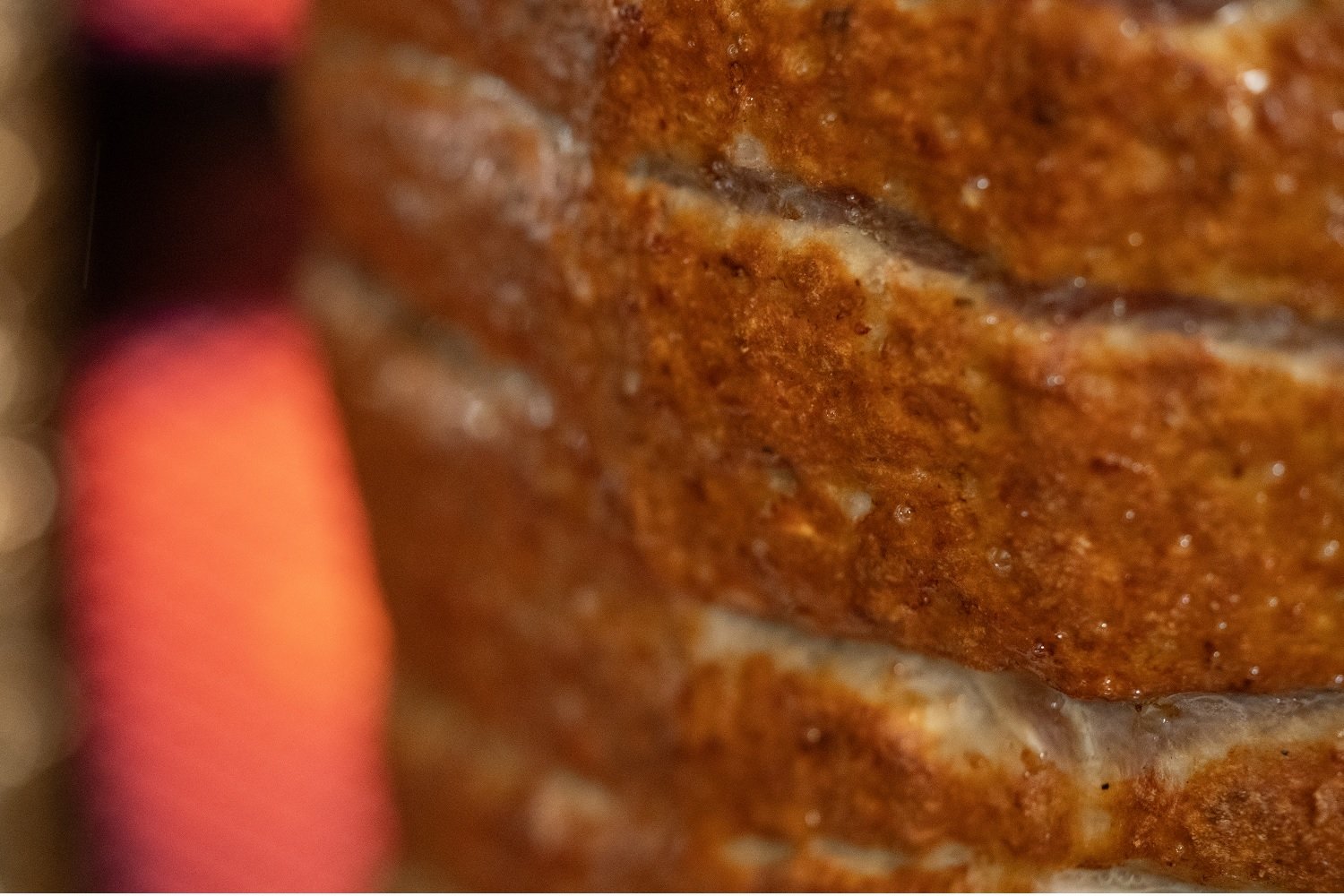
For optimal results, the right balance of heat and distance is essential. At the beginning, the skewer should rotate with sufficient distance from the heat source — especially when it is still cold. Only once the outer layer is visibly cooked and browned should the skewer be moved gradually closer to the flame.
Slicing should only begin once the surface is fully cooked through. Cutting too early leads to loss of juices, uneven cooking and clear quality issues. Ignoring this can quickly become a direct reason for losing customers.
Cutting Technique on the Doner Skewer
The way the meat is sliced on the skewer also plays an important role. It has a significant impact on both texture and appearance. For the best results, doner meat should be sliced from the outside inward and in thin layers. It is important to aim for even, relatively short fibers rather than cutting thick chunks. Otherwise, larger pieces tend to cool down quickly on the plate.
Manual Doner Knife or Electric Doner Knife?
Electric doner knives cut quickly, evenly and with far less effort. They produce clean, thin slices and reduce waste — a clear advantage, especially with large skewers. The constant blade movement keeps the meat juicier, and overall, the work becomes more efficient.
Manual doner knives, on the other hand, are lighter, quieter and completely independent of electricity. They give you a direct feel for the meat and allow for flexible cutting. However, they require significantly more skill, strength and endurance. During long shifts, the hand tires more quickly, and the cutting quality can vary more noticeably, especially with larger skewers.
How Many Grams Are in a Doner? — Portioning and Cost Calculation

To ensure consistent quality and reliable cost calculation, it is best to work with a clearly defined portion size. For a doner sandwich, meat portions typically range between 130 and 180 grams. Plate dishes and dürüm doner usually require slightly larger amounts.
When you follow a consistent portioning strategy, you can plan purchasing, pricing and skewer usage much more accurately.
Serving Doner in Bread, on a Plate and To-Go

The best meat can only shine when it is presented properly. When serving doner in bread, the bread should be warmed or lightly toasted. It is also important to layer the meat, salad and sauces in a way that ensures an even distribution.
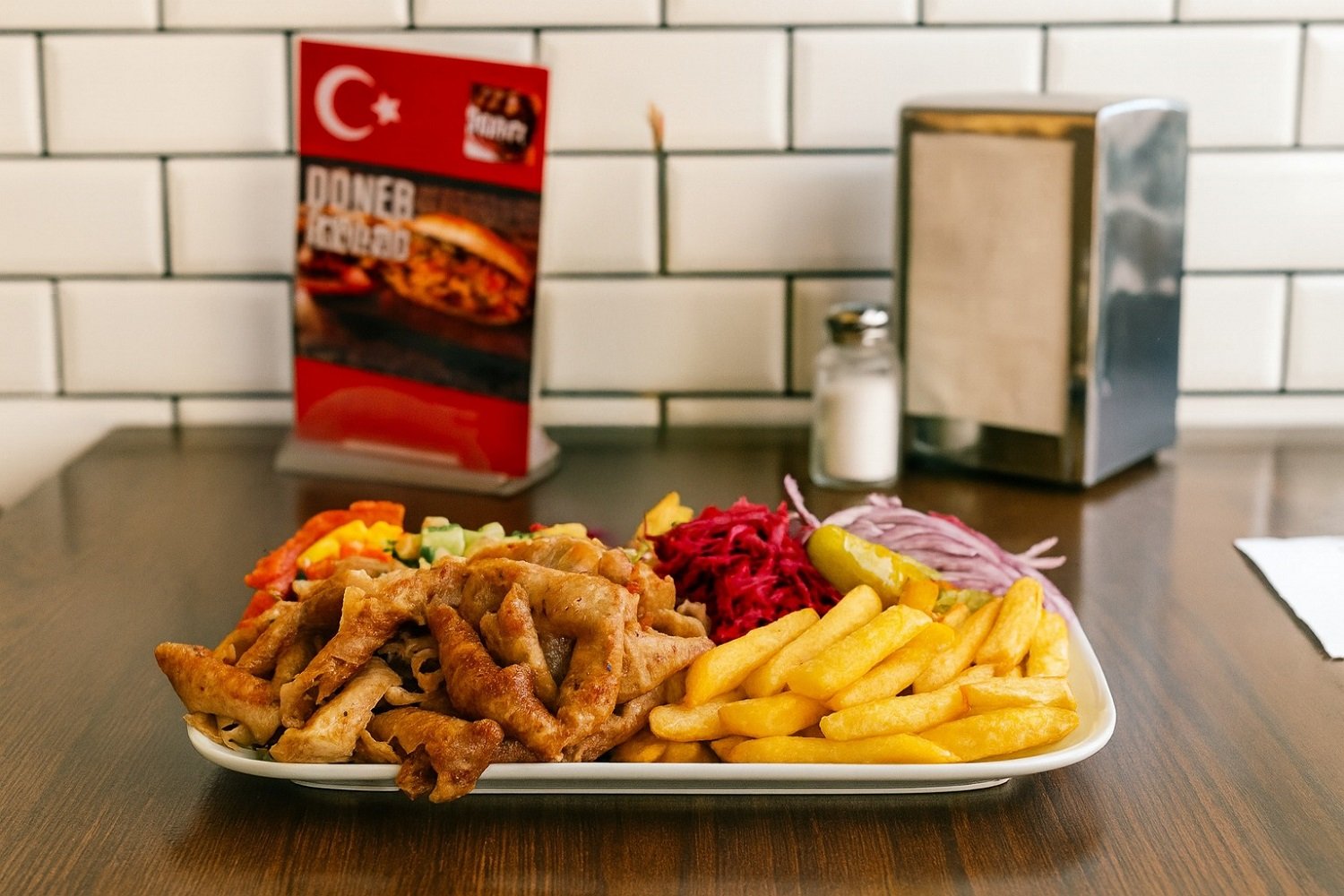
On a plate, the meat should be arranged flat and neatly, with side dishes clearly separated. Appearance and temperature play a major role in the overall impression.
For to-go orders, it’s best to choose packaging that prevents the bread and doner meat from becoming soggy. To preserve flavour and freshness, keeping the holding time as short as possible is essential.
Common Mistakes and How to Avoid Them
We repeatedly observe the following issues:
- Skewers placed too close to the flame, resulting in meat that is burnt on the outside while still cold inside.
- Thawing at room temperature.
- Slices that are too coarse or uneven.
- Skewers that continue to rotate even when almost no meat is left — causing the remaining meat to dry out.
To avoid such mistakes, it is essential to take corrective action, establish clear work instructions, provide internal training and ensure regular self-checks. Whether using minced-meat doner or sliced-meat doner, only clean and careful handling guarantees consistently high quality.
HACCP and Food Safety
When working with doner meat, structured hygiene concepts play a central role. A functioning HACCP system includes, among other things:
- documented incoming-goods inspections,
- regular temperature logs for refrigerated and frozen storage areas,
- clear rules for personal hygiene,
- cleaning and disinfection plans for equipment, knives, cold rooms and the grill.
This ensures food safety, consistent quality and a professional appearance.
“Where was doner kebab invented?” — Today, this question matters far less. What truly matters is where the best doner is served. When people search online for the best “döner near me,” only one thing counts in the end: convincing quality you can taste.