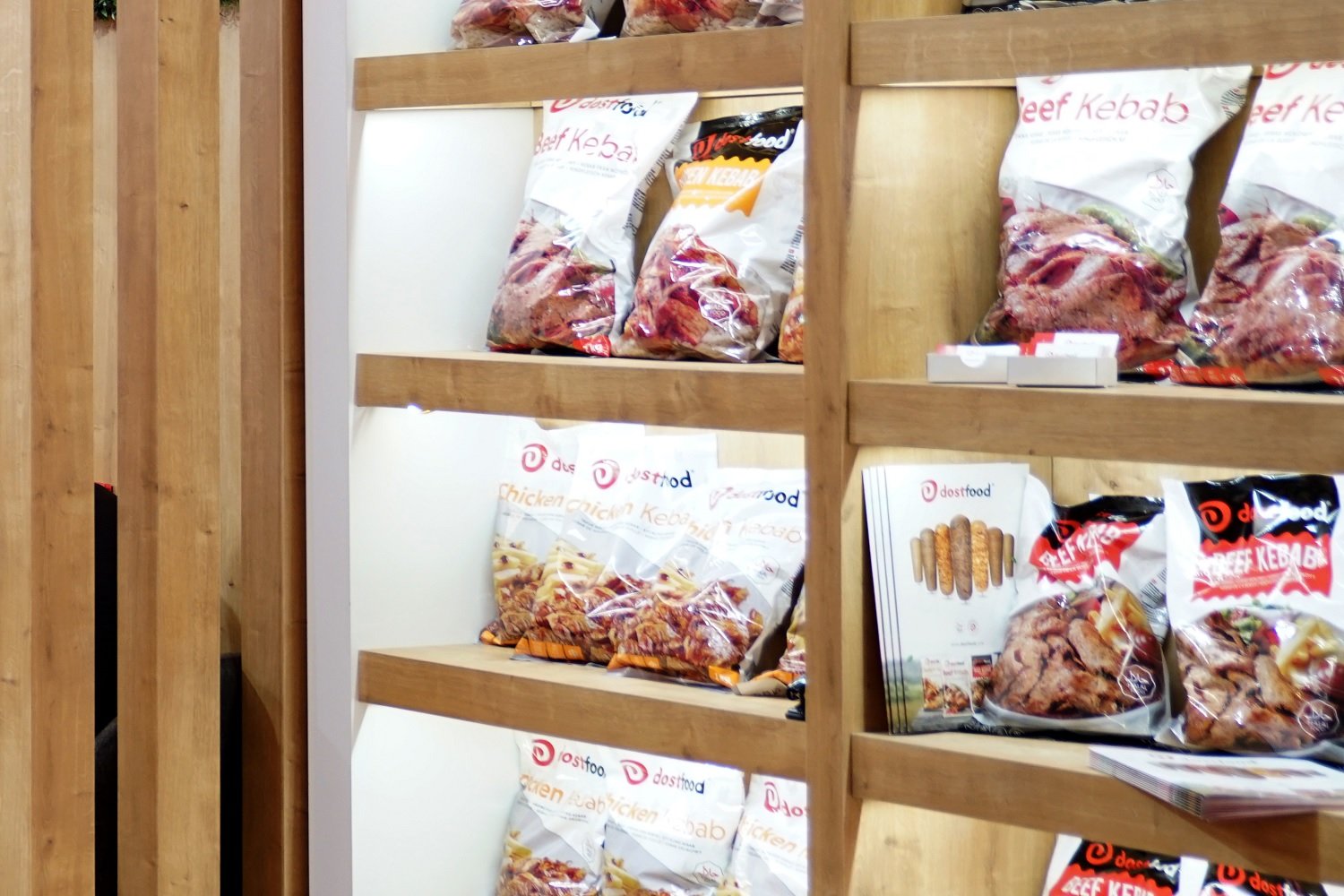






Kurczak, cielęcina i wołowina: przegląd różnic między rodzajami mięsa do dönera
W produkcji dönera wybór rodzaju mięsa jest jednym z najbardziej podstawowych i decydujących czynników. Wpływa bezpośrednio na aromat, strukturę, sposób pieczenia, wartości odżywcze oraz pozycjonowanie produktu na rynku. Kurczak, cielęcina i wołowina posiadają własne, wyraźnie różniące się cechy, które należy uwzględnić zarówno w recepturze, jak i w procesie produkcji oraz zachowaniu mięsa na rożnie.
Klasyfikacja prawna i podstawowa definicja
W krajach niemieckojęzycznych „döner kebab” oznacza zazwyczaj produkt mięsny formowany warstwowo na pionowym rożnie. Składa się z marynowanych i przyprawionych kawałków mięsa układanych warstwami i pieczonych pionowo.
Przepisy rozróżniają produkty według rodzaju mięsa, np. „döner z kurczaka”, „döner z cielęciny” czy „döner z wołowiny”. Mieszanki są dozwolone, ale muszą być jasno oznaczone. Produkty wysokiej jakości opierają się na dużej zawartości mięsa mięśniowego i unikają nadmiernego stosowania dodatków, wypełniaczy czy wody.
Regulacje w Niemczech
Aby produkt mógł być nazwany „döner kebab”, musi spełniać określone warunki. Powinien składać się z cienkich plasterków mięsa (cielęcina, mieszanki cielęciny i wołowiny lub jagnięcina). Mięso mielone może stanowić maksymalnie 60% składu.
Pozostała część musi składać się z kawałków mięsa. Dozwolone są przyprawy oraz dodatki takie jak jajko, cebula, tłuszcz, mleko czy jogurt. W przypadku użycia innych składników, jak białko sojowe czy bułka tarta, musi to być jasno wskazane w nazwie produktu.
Jeśli skład znacząco odbiega od tych zasad, produkt nie może być nazywany „dönerem”. W przypadku drobiu obowiązują dodatkowe regulacje – stosuje się wyłącznie mięso w kawałkach, a zawartość skóry nie może przekraczać 18%.
Döner z kurczaka: lekki i delikatny
Döner drobiowy przygotowuje się najczęściej z mięsa udźca, czasem z dodatkiem piersi. Charakteryzuje się drobną strukturą włókien i lżejszym profilem smakowym.
Marynata i przyprawy odgrywają tu większą rolę niż w innych rodzajach mięsa. Często stosuje się paprykę i zioła, które nadają mięsu łagodny, lekko kremowy charakter.
Pod względem wartości odżywczych kurczak jest postrzegany jako lżejsza opcja – zazwyczaj ma mniej tłuszczu i dużo białka, choć zależy to od konkretnej receptury.
Döner z cielęciny: klasyczny balans
Cielęcina jest dla wielu osób klasycznym wyborem. W praktyce stosuje się zarówno czystą cielęcinę, jak i mieszanki z wołowiną.
Smak jest delikatny, zrównoważony i lekko aromatyczny. Mięso dobrze współgra z przyprawami, ale nie jest przez nie zdominowane. Struktura pozostaje miękka i spójna.
Kolor w przekroju waha się od jasnobeżowego do średnio brązowego, a warstwy mięsa są wyraźnie widoczne. Produkty z wysoką zawartością cielęciny są często pozycjonowane jako bardziej premium.
Döner z wołowiny: intensywny i wyrazisty
Wołowina daje bardziej intensywny smak i ciemniejszy kolor. Przygotowuje się ją z chudszych lub średnio tłustych części, gdzie kluczowe znaczenie ma odpowiednia obróbka i miękkość.
Przyprawy są zazwyczaj mocniejsze, ale nadal powinny podkreślać, a nie dominować naturalny smak mięsa. W trakcie pieczenia pojawia się wyraźniejsze zrumienienie i bardziej widoczna struktura włókien.
Porównanie przypraw, wyglądu i struktury
Każdy rodzaj mięsa wymaga innego podejścia do przyprawiania. Kurczak dobrze komponuje się z lekkimi, ziołowymi nutami. Cielęcina preferuje bardziej neutralny profil, a wołowina toleruje intensywniejsze przyprawy.
Pod względem wizualnym kurczak jest jasny i delikatny, cielęcina ma jednolitą strukturę z wyraźnymi warstwami, a wołowina wyróżnia się ciemniejszym kolorem i wyraźnym włóknem. Wysoka jakość oznacza brak pustych przestrzeni, równomierne pieczenie i czysty przekrój.
Pod względem wartości odżywczych kurczak jest najlżejszy, cielęcina zrównoważona, a wołowina bogatsza w żelazo i bardziej sycąca. Jednak ostateczny profil zależy także od marynaty, tłuszczu i dodatków.
W praktyce często spotyka się również mieszanki (np. cielęcina z wołowiną lub kurczak z indykiem). Kluczowe znaczenie ma tu transparentne oznaczenie produktu.
Nie istnieje jedna odpowiedź na pytanie, które mięso jest najlepsze. Wybór zależy od oczekiwanego smaku, zastosowania, poziomu cenowego i preferencji klientów. Prawdziwa jakość zawsze wynika z połączenia dobrego surowca, właściwej receptury i profesjonalnej produkcji.