




Döner na wynos: Najświeższa możliwa forma serwowania
Dostawa to nie jest zwykłe „na wynos”. To osobna obietnica produktu. Klienci oczekują, że döner w domu nadal będzie soczysty, ciepły i świeży. Jednocześnie chcą, aby był równie sycący jak na miejscu – bez utraty jakości, bez wysuszenia czy pogorszenia struktury. Problemy najczęściej nie wynikają z receptury, lecz z czasu, pary i zarządzania procesem. Gdy te elementy są właściwie kontrolowane, możliwe jest utrzymanie stabilnej jakości w dostawie.
Dlaczego dostawa dönera rządzi się innymi zasadami
Między przygotowaniem a pierwszym kęsem mija zwykle 15–40 minut. W tym czasie temperatura i wilgoć działają na niekorzyść: pieczywo mięknie, warzywa tracą chrupkość, sosy się przemieszczają, a mięso może wyschnąć lub stać się zbyt miękkie. Dlatego dobry döner na wynos wymaga innego podejścia, odpowiedniego opakowania i jasno określonych standardów.
Najwięksi wrogowie jakości i jak ich eliminować
Główne zagrożenia to para, czas i nieprawidłowy montaż. Zamknięte opakowanie gromadzi wilgoć, która zmiękcza pieczywo i dodatki. Długi czas oczekiwania odbiera temperaturę i świeżość. Zbyt wilgotne składniki lub nadmiar sosu powodują rozmiękczenie i wyciekanie. W trakcie transportu drgania dodatkowo pogarszają strukturę produktu.
Rozwiązanie jest konkretne: opakowania z wentylacją, jasno określona kolejność składania, odpowiednie dozowanie sosu lub podawanie go osobno oraz ścisłe przestrzeganie czasu od przygotowania do dostawy.
Mięso i stopień przygotowania: stabilność zaczyna się przy grillu
To, co jest idealne w momencie przygotowania, nie zawsze pozostaje takie po 25 minutach. Kluczowe znaczenie mają: jednolity stopień przygotowania, równa grubość krojenia, krótki czas przetrzymywania oraz częste, mniejsze porcje zamiast dużych partii.
Takie podejście pozwala zachować strukturę białka i soczystość mięsa oraz zapobiega jego twardnieniu. To jeden z fundamentów jakości w dostawie.
Krojenie i porcjowanie: standard zamiast intuicji
Nierówne porcje wpływają negatywnie zarówno na jakość, jak i rentowność. Należy ustalić jasne standardy: stałą gramaturę, określone miary dla dodatków oraz wytyczne montażu dla każdego formatu (dürüm, pieczywo, box). Efektem jest powtarzalność smaku i mniejsza liczba reklamacji.
Wybór formatu: pieczywo, dürüm czy box
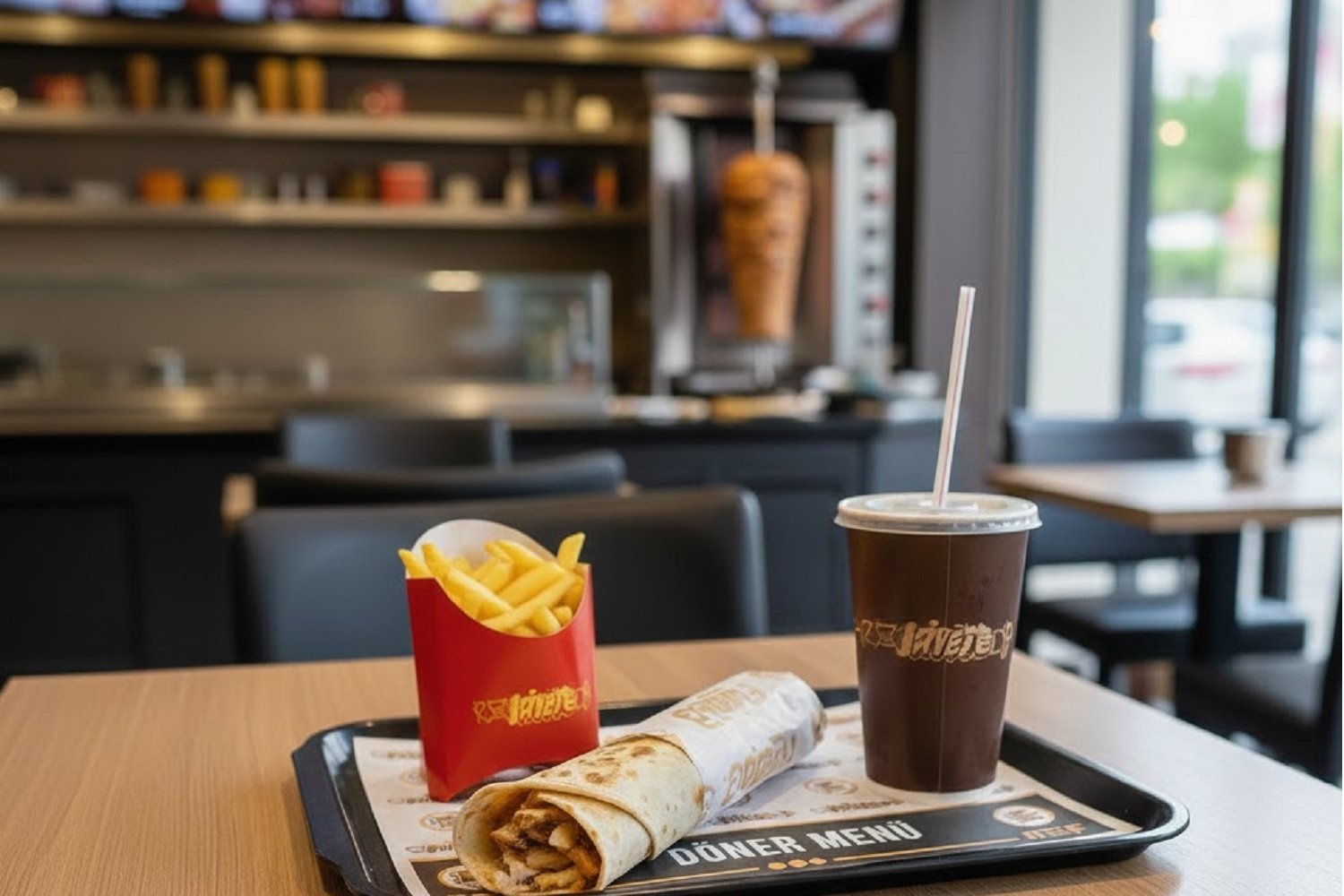
Dürüm jest zwykle najbardziej odporny na transport – kompaktowy i stabilny.
Box zapewnia największą kontrolę – składniki mogą być oddzielone.
Pieczywo jest popularne, ale najbardziej wrażliwe na wilgoć i parę.
Przy większym obszarze dostaw warto promować bardziej trwałe formy.
Zarządzanie sosami: czas, ilość i separacja
Sos decyduje o różnicy między produktem premium a przeciętnym. Warto stosować trzy zasady: mniej sosu w środku, reszta jako opcja; unikanie bezpośredniego kontaktu z pieczywem; przy dłuższych dostawach – podawanie osobno.
Warzywa i świeżość
Chrupkość zależy od procesu, nie tylko składników. Warzywa powinny być dobrze odsączone, przechowywane w chłodzie i szybko używane. Delikatne składniki, jak pomidor czy ogórek, należy dozować kontrolowanie.
Kontrola temperatury i czasu
Dostawa wymaga ścisłych granic czasowych. Należy określić maksymalny czas od przygotowania do pakowania oraz do odbioru. Produkty przekraczające te limity powinny być bezwzględnie wymieniane. Jakość w dostawie liczona jest w minutach.
Opakowanie jako narzędzie jakości
Opakowanie musi odprowadzać parę, być odporne na nacisk i szczelne. Powinno umożliwiać oddzielenie składników i zapobiegać wyciekom. Testy należy przeprowadzać w realnych warunkach dostawy.
Kolejność składania
Prawidłowy montaż zapobiega rozmiękaniu. Mięso powinno tworzyć warstwę ochronną, wilgotne składniki nie mogą mieć bezpośredniego kontaktu z pieczywem, a sos najlepiej dodawać na końcu lub osobno. W przypadku dürüm kluczowe jest ciasne i stabilne zawinięcie.
Zasięg dostawy i czas
Należy świadomie określić granice: maksymalny zasięg w zależności od pory dnia, różne menu dla bliższych i dalszych dostaw oraz realistyczne czasy realizacji. Zbyt duże obietnice pogarszają jakość.
Proces wewnętrzny i organizacja pracy
Efektywny system pracy ogranicza błędy:
- Krojenie mięsa i krótkie utrzymanie temperatury
- Przygotowanie pieczywa lub dürüm
- Montaż według standardu
- Pakowanie
- Kontrola przed wydaniem
Kluczowe jest jasno określone „kto co robi”, a nie tylko szybkość pracy.
Kontrola jakości i rozwój
Regularne testowe zamówienia, ocena według kluczowych kryteriów (temperatura, soczystość, struktura, wygląd) oraz analiza reklamacji pozwalają stale poprawiać jakość.
Jakość dostawy jest w pełni kontrolowalna – poprzez standardy, procesy i właściwe zarządzanie. Gdy traktujesz dostawę jako osobny produkt, liczba reklamacji spada, oceny rosną, a operacja staje się stabilna.